
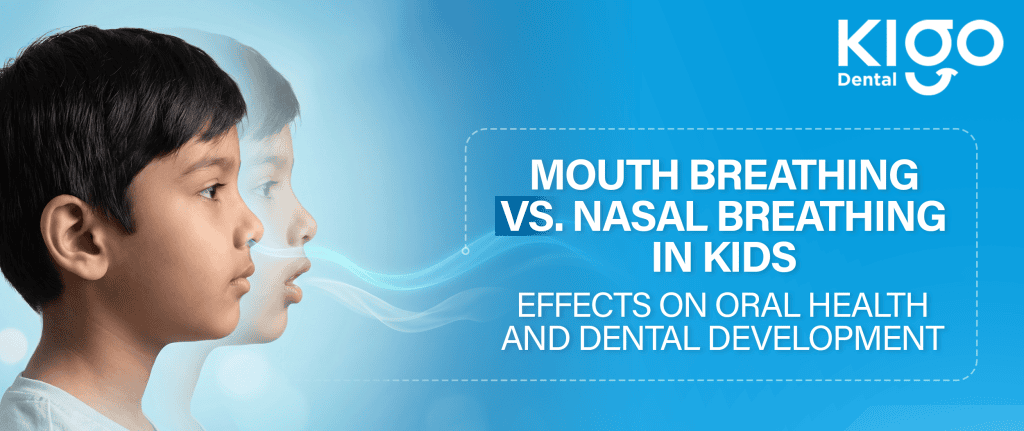
A child’s breathing habits can influence more than just their comfort and sleep. The way children breathe may also affect their oral health, jaw growth, tooth alignment, and overall dental development. While nasal breathing is the natural and preferred way to breathe, persistent mouth breathing in children may indicate an underlying issue that requires attention.
Many parents overlook mouth breathing, assuming it is simply a habit. However, frequent open-mouth breathing, snoring, dry lips, and restless sleep may signal a problem that deserves evaluation.
If you are looking for a pediatric dentist in Hyderabad, understanding the differences between mouth breathing and nasal breathing can help you recognize potential warning signs and seek timely dental care for your child.
What Is the Difference Between Mouth Breathing and Nasal Breathing?
Nasal breathing occurs when air enters and leaves the body through the nose. The nose filters dust and other particles, warms the air, and adds moisture before it reaches the respiratory tract.
Mouth breathing occurs when a child breathes primarily through the mouth instead of the nose. It can happen temporarily during a cold or when the nose is blocked. However, persistent mouth breathing may be associated with allergies, enlarged tonsils or adenoids, or other conditions that restrict nasal airflow.
Occasional mouth breathing is not necessarily a cause for concern. The important distinction is whether it continues regularly, especially during sleep or when the child is not physically active.
Parents searching for a child dentist in jubilee hills , should consider discussing persistent mouth breathing with a dental professional, particularly if they notice changes in their child’s teeth, bite, or jaw development.
How Mouth Breathing Affects Children’s Oral Health
1. Dry Mouth and Reduced Saliva Protection
Saliva plays an essential role in maintaining oral health. It helps wash away food particles, neutralize acids, and protect the teeth against decay.
When children breathe through their mouths frequently, moisture evaporates more quickly from oral tissues. This can lead to a dry mouth, especially after sleeping.
Reduced oral moisture may make it easier for plaque to accumulate and may increase the risk of dental problems. Children may also experience dry lips, a sticky feeling in the mouth, or discomfort when swallowing.
Maintaining proper hydration, brushing twice daily with fluoride toothpaste, and attending regular dental checkups can help protect children’s teeth.
2. Increased Risk of Tooth Decay
Frequent mouth breathing can contribute to an environment in which tooth decay is more likely, particularly when combined with inadequate brushing, frequent sugary snacks, or other risk factors.
Saliva naturally helps protect tooth enamel. When the mouth becomes dry, its protective effects may be reduced, potentially increasing the risk of cavities.
Parents should watch for tooth sensitivity, visible spots on the teeth, or complaints of dental discomfort.
3. Bad Breath and Gum Irritation
Persistent mouth breathing can cause unpleasant breath because the oral tissues become dry and the natural cleansing effects of saliva decrease.
Some children may also develop irritated or inflamed gums, especially when plaque accumulates around the teeth.
Bad breath can have several causes, including poor oral hygiene, dental decay, gum inflammation, and nasal conditions. Therefore, it should not automatically be attributed to mouth breathing alone.
A pediatric dental examination can help identify whether the problem originates in the mouth and whether further medical assessment is appropriate.
How Mouth Breathing Can Influence Dental Development
1. Changes in Jaw Growth and Facial Development
Healthy facial and dental development depends on several factors, including genetics, growth patterns, oral habits, and normal breathing function.
Persistent mouth breathing has been associated with certain differences in facial growth, including a longer facial appearance, a narrow upper dental arch, and changes in jaw positioning. However, these associations do not prove that mouth breathing alone causes these changes in every child.
The underlying reason for mouth breathing is also important. For example, persistent nasal obstruction may influence both breathing patterns and the development of oral structures.
Parents who notice persistent open-mouth posture or unusual facial growth should seek an assessment from an appropriate dental or medical professional.
2. Crooked Teeth and Bite Problems
Mouth breathing may occur alongside dental alignment problems, including crowded teeth, an increased overjet, or an open bite. Some children may also develop a crossbite or a narrow upper dental arch.
These conditions can have multiple contributing factors, such as genetics, prolonged oral habits, and differences in jaw growth.
When a child consistently breathes through the mouth, the normal resting position of the tongue and lips may change. This can influence the balance of forces acting on the developing teeth and jaws.
Early assessment does not mean every child will need braces. It helps identify developing problems and determine the most suitable time for intervention.
3. Changes in Tongue and Lip Posture
During nasal breathing, the lips are generally closed at rest, and the tongue can maintain a comfortable resting position within the mouth.
Persistent mouth breathing may be accompanied by open lips, a low tongue posture, or difficulty maintaining a closed-mouth resting position.
These patterns may coexist with swallowing difficulties or certain speech concerns, although they do not necessarily cause them.
A dental professional may assess oral posture and recommend further evaluation when appropriate. Depending on the findings, care may involve a pediatric dentist, orthodontist, or another qualified healthcare professional.
Common Signs of Mouth Breathing in Children
Parents should pay attention to the following signs:
- Frequently keeping the mouth open while resting.
- Snoring or noisy breathing during sleep.
- Waking up with a dry mouth or dry lips.
- Persistent bad breath despite regular brushing.
- Restless sleep or frequent nighttime waking.
- Regular nasal congestion or difficulty breathing through the nose.
- Crowded teeth or noticeable changes in bite development.
These signs do not confirm that a child has a breathing disorder. However, persistent symptoms deserve attention, especially when they affect sleep, daily comfort, or dental health.
If your child snores regularly, experiences pauses in breathing during sleep, or struggles to breathe, seek prompt medical assessment. Severe breathing difficulty requires emergency care.
What Causes Mouth Breathing in Kids?
Several conditions can contribute to mouth breathing, including:
- Nasal allergies: Allergic rhinitis can cause congestion and swelling inside the nose.
- Enlarged tonsils or adenoids: These tissues may restrict airflow and contribute to snoring or sleep-related breathing difficulties.
- Frequent nasal congestion: Colds and other nasal conditions can temporarily make nasal breathing difficult.
- Structural nasal problems: Certain anatomical conditions may restrict airflow.
- Habitual mouth breathing: Some children continue mouth breathing even after the original obstruction improves.
Identifying the underlying cause is essential. A pediatric dentist can evaluate oral health and dental development and recommend further medical assessment when persistent breathing difficulties are suspected.
How Can Parents Support Healthy Oral and Dental Development?
Parents can take several practical steps to protect their child’s oral health.
1. Maintain good oral hygiene. Encourage brushing twice daily with age-appropriate fluoride toothpaste and supervise brushing until your child can clean their teeth effectively.
2. Schedule regular dental checkups. Routine visits help identify cavities, gum inflammation, bite problems, and changes in dental development.
3. Address nasal congestion. If your child frequently has a blocked nose, consult a qualified healthcare professional to identify the cause and discuss appropriate treatment.
4. Encourage healthy sleep habits. Observe your child’s breathing during sleep and discuss persistent snoring, restless sleep, or unusual breathing patterns with a healthcare professional.
5. Avoid forcing the mouth closed. Do not tape your child’s mouth shut during sleep. Mouth breathing may be a sign of airway obstruction, and restricting the mouth without medical guidance can be unsafe.
6. Seek early orthodontic advice when needed. If you notice crowded teeth, a crossbite, or an unusual bite, a dental assessment can help determine whether monitoring or early intervention is appropriate.
When Should You Visit a Pediatric Dentist?
Consider arranging a dental appointment if your child has persistent mouth breathing along with dry mouth, recurrent cavities, gum irritation, bad breath, crowded teeth, or changes in bite development.
A pediatric dentist can examine the teeth, gums, oral tissues, jaw relationship, and overall dental development. If the findings suggest an underlying breathing or nasal problem, the dentist may recommend an appropriate medical evaluation.
For families searching for a kids’ dentist in Hyderabad, or a pediatric dental specialist near Jubilee Hills, an early dental evaluation can provide clarity about your child’s oral health and whether additional assessment is necessary.
Remember that dental treatment alone may not resolve mouth breathing when the underlying problem involves nasal obstruction or sleep-related breathing difficulties. Identifying and addressing the underlying cause is an important part of comprehensive care.
Conclusion
Nasal breathing supports normal respiratory function, while persistent mouth breathing in children may be associated with dry mouth, bad breath, increased dental decay risk, gum irritation, and certain differences in dental and facial development.
Although mouth breathing does not automatically lead to dental problems, identifying persistent symptoms early can help parents protect their child’s oral health and address potential underlying causes.
If you notice open-mouth posture, regular snoring, dry mouth, or developing bite problems, consult a pediatric dentist and seek medical assessment when indicated.
Learn about mouth breathing and nasal breathing in kids at Kigo Dental Clinic. Call +91 9998884398 for more details.