
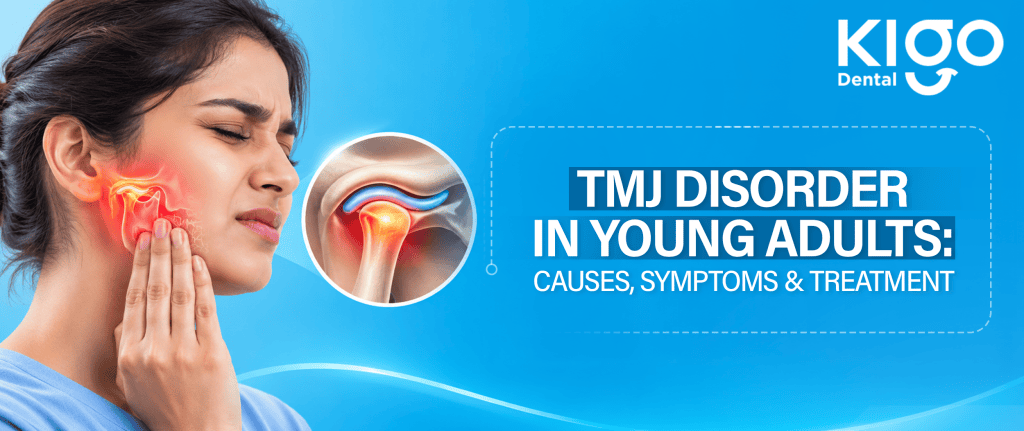
TMJ disorder, also known as Temporomandibular Joint Disorder (TMD), is a condition that affects the jaw joints and surrounding muscles. These joints connect the lower jaw to the skull and help with everyday activities such as eating, speaking, chewing, and yawning. Although TMJ disorders are commonly associated with adults, young adults can also experience jaw pain, stiffness, headaches, and difficulty opening their mouths.
Modern lifestyles, stress, teeth grinding, poor posture, and jaw injuries may contribute to TMJ-related problems. Recognising the symptoms early can help prevent discomfort from affecting daily activities. Understanding the causes and available treatment options is important for anyone experiencing recurring jaw pain.
If you are experiencing jaw discomfort, consulting a qualified dental professional for TMJ disorder treatment in Hyderabad can help identify the underlying cause and recommend suitable care.
What Is TMJ Disorder?
The temporomandibular joints are located on both sides of the face, just in front of the ears. They allow the lower jaw to move smoothly while opening and closing the mouth.
TMJ disorder occurs when the joints, surrounding muscles, or supporting structures develop problems that affect normal jaw movement. This may result in pain, clicking sounds, stiffness, and difficulty chewing.
Young adults may experience temporary or recurring symptoms depending on the underlying cause. Early diagnosis and appropriate treatment can help improve jaw function and reduce discomfort.
Causes of TMJ Disorder in Young Adults
Several factors may contribute to TMJ disorders in young adults. Identifying these factors helps dental professionals recommend appropriate treatment.
1. Teeth Grinding and Jaw Clenching
Teeth grinding, also known as bruxism, is a common factor associated with TMJ problems. Some individuals grind their teeth during sleep or unconsciously clench their jaws during stressful situations. Repeated pressure can cause muscle fatigue, jaw tenderness, and headaches.
2. Stress and Anxiety
Work pressure, academic responsibilities, and personal challenges can increase stress levels. Stress may lead to unconscious jaw clenching and muscle tension, contributing to TMJ-related discomfort.
3. Poor Posture
Spending extended periods using smartphones and computers can encourage forward-head posture. This may increase tension in the neck, shoulders, and jaw muscles, potentially worsening existing TMJ symptoms.
4. Jaw Injuries
Sports injuries, accidents, or direct impacts to the face can affect the jaw joints and surrounding tissues. These injuries may result in pain, restricted movement, and difficulty chewing.
5. Bite-Related Problems
Certain dental conditions may be associated with jaw discomfort. However, bite irregularities are not necessarily the cause of TMJ disorders. A dental professional can evaluate the teeth, jaw movement, and joint function.
6. Excessive Chewing Habits
Frequently chewing gum, biting hard objects, and eating very hard foods may place additional pressure on the jaw muscles. These habits can sometimes worsen existing discomfort.
Common Symptoms of TMJ Disorder in Young Adults
TMJ disorder symptoms vary depending on the individual and the severity of the condition. Common symptoms include:
- Jaw Pain: Discomfort around the jaw joints, especially while chewing or speaking.
- Clicking Sounds: Clicking or popping sounds when opening and closing the mouth.
- Frequent Headaches: Pain around the temples associated with jaw muscle tension.
- Difficulty Opening the Mouth: Stiffness or restricted jaw movement.
- Ear Discomfort: Pain or a feeling of fullness around the ears.
- Facial Pain: Tenderness around the cheeks and surrounding muscles.
- Neck Pain: Muscle tension that may extend from the jaw towards the neck.
Occasional clicking without pain may not indicate a serious problem. However, persistent pain, jaw locking, or restricted movement should be professionally evaluated.
How Is TMJ Disorder Diagnosed?
Proper diagnosis is important because jaw pain can have different causes. A dental professional may examine the jaw joints, surrounding muscles, and movement of the mouth.
The examination may include:
- Reviewing medical and dental history.
- Checking jaw movement and muscle tenderness.
- Identifying clicking or popping sounds.
- Evaluating teeth grinding and clenching habits.
- Recommending X-rays, MRI, or CT scans when necessary.
An accurate diagnosis helps determine the most suitable TMJ pain treatment in Hyderabad based on the patient’s symptoms and condition.
Treatment Options for TMJ Disorder in Young Adults
Treatment depends on the underlying cause and severity of the condition. Many patients benefit from conservative treatment options without requiring surgery.
1. Lifestyle Changes and Home Care
Simple lifestyle adjustments may help manage mild TMJ symptoms. Eating soft foods, avoiding chewing gum, reducing jaw clenching, and applying warm or cold compresses may provide relief.
Avoid opening the mouth excessively while yawning and try to maintain a relaxed jaw position throughout the day.
2. Medication for Pain Management
A healthcare professional may recommend suitable medication to manage pain and inflammation. Medication should always be taken according to professional advice rather than self-prescribed.
3. Physical Therapy and Jaw Exercises
Physical therapy may help improve jaw movement, reduce muscle tension, and support normal joint function. A trained professional may recommend gentle stretching, jaw exercises, and relaxation techniques based on the patient’s condition.
4. Night Guards and Oral Appliances
People who grind or clench their teeth during sleep may benefit from a professionally assessed night guard. These appliances help protect the teeth from grinding-related damage. Their benefits for TMJ pain vary between individuals.
5. Stress Management
Stress management can help reduce unconscious jaw clenching. Meditation, breathing exercises, regular physical activity, and adequate sleep may support muscle relaxation.
6. Advanced Treatment Options
If conservative treatments do not provide sufficient relief, further evaluation may be necessary. Depending on the joint condition, a specialist may discuss additional procedures. Surgery is generally considered only in selected cases after careful assessment.
Tips to Prevent TMJ Problems in Young Adults
Maintaining healthy daily habits can help reduce unnecessary pressure on the jaw joints.
- Maintain good posture while using computers and smartphones.
- Avoid unnecessary teeth grinding and jaw clenching.
- Reduce excessive gum chewing.
- Avoid biting hard objects.
- Take regular breaks during long working hours.
- Maintain a healthy sleep routine.
- Practise stress-management techniques.
- Consult a dental professional for recurring jaw pain.
These habits can help support healthy jaw movement and reduce factors that may aggravate TMJ symptoms.
When Should You Consult a TMJ Specialist?
If you frequently experience jaw pain, clicking sounds, difficulty chewing, headaches, or restricted mouth opening, it is important to seek professional dental care. Early diagnosis can help identify the underlying cause and prevent symptoms from affecting your daily activities. Dr. Kishor Govardhan at Kigo Dental provides professional guidance and personalised care recommendations for individuals experiencing TMJ-related problems in Hyderabad.
Frequently Asked Questions
1. Can young adults develop TMJ disorders?
Yes. Young adults can experience TMJ disorders due to teeth grinding, stress, jaw injuries, and muscle tension.
2. What are the early symptoms of TMJ disorder?
Early symptoms may include jaw stiffness, clicking sounds, headaches, facial pain, and discomfort while chewing.
3. Can stress cause TMJ pain?
Stress may contribute to unconscious jaw clenching and muscle tension, which can worsen TMJ-related discomfort.
4. Is TMJ disorder treatable without surgery?
Yes. Many patients improve with conservative treatments such as lifestyle changes, physical therapy, and professionally recommended oral appliances.
5. Where can I get TMJ disorder treatment in Hyderabad?
You can consult a qualified dental professional or TMJ specialist in Hyderabad for proper diagnosis and personalised treatment recommendations.
Final Thoughts
TMJ disorder in young adults can affect everyday activities and overall comfort. Understanding its causes, recognising early symptoms, and seeking professional guidance can help manage the condition effectively.
If you experience recurring jaw pain, clicking sounds with discomfort, or difficulty opening your mouth, consult a qualified dental professional. Appropriate diagnosis, treatment, and healthy daily habits can help improve jaw function and support long-term oral health.
For those looking for TMJ disorder treatment in Hyderabad, choosing an experienced dental professional is an important step towards better jaw health.
Book your appointment with Dr. Kishor Govardhan at Kigo Dental Clinic for expert TMJ care in Hyderabad. Call +91 9998884398 today.