
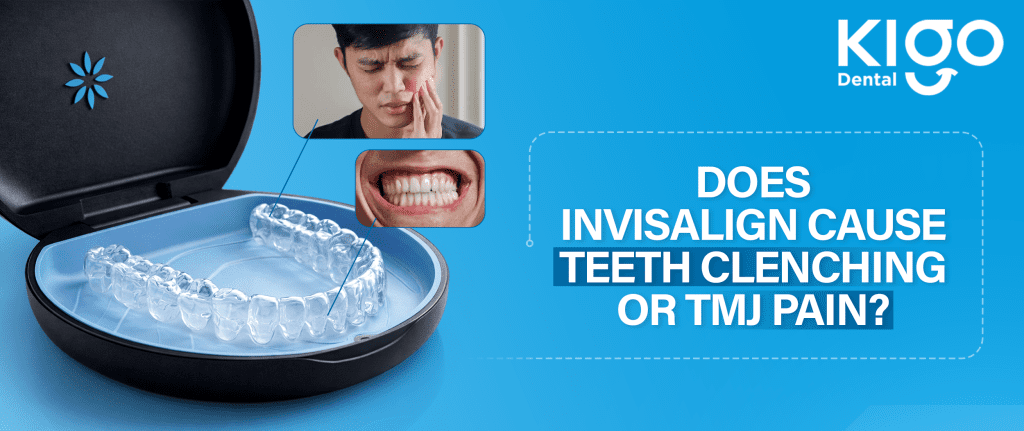
In recent years, Invisalign has become one of the most popular orthodontic treatments worldwide, especially among adults and teenagers who want a discreet way to straighten their teeth. In cities like Hyderabad, the demand for Invisalign treatment in Hyderabad has grown rapidly due to its convenience, comfort, and aesthetic appeal.
This blog will explore the relationship between Invisalign, teeth clenching (bruxism), and temporomandibular joint (TMJ) pain, helping you make an informed decision before starting treatment.
What Is Invisalign?
Invisalign is a modern orthodontic treatment that uses a series of custom-made, clear plastic aligners to gradually shift teeth into proper alignment. Unlike traditional braces, Invisalign aligners are removable, comfortable, and nearly invisible. Many people choose clear aligners in Hyderabad because they offer:
- Aesthetic appeal (no metal brackets)
- Easy maintenance
- Improved comfort
- Flexibility in eating and oral hygiene
Understanding Teeth Clenching (Bruxism)
Teeth clenching or grinding, medically known as bruxism, is a common condition where a person unconsciously clenches or grinds their teeth, especially during sleep.
Common Causes of Bruxism:
- Stress and anxiety
- Misaligned teeth
- Sleep disorders
- Lifestyle habits (caffeine, smoking)
Symptoms:
- Jaw pain
- Headaches
- Tooth wear
- Facial muscle fatigue
Patients seeking Invisalign in Hyderabad often wonder whether aligners can worsen or trigger this condition.
What Is TMJ Pain?
The temporomandibular joint (TMJ) connects your jaw to your skull. When this joint is strained or misaligned, it can lead to TMJ disorders (TMD).
Symptoms of TMJ Pain:
- Jaw clicking or popping
- Pain while chewing
- Limited jaw movement
- Ear pain or headaches
Many patients searching for TMJ pain treatment in Hyderabad are also undergoing orthodontic treatments like Invisalign.
Does Invisalign Cause Teeth Clenching?
Why Some Patients Experience Clenching:
- New Sensation in the Mouth
Wearing aligners introduces a foreign object in your mouth, which may make you more aware of your bite. Some people subconsciously clench their teeth in response. - Bite Adjustment Phase
During Invisalign treatment, your teeth are constantly shifting. This temporary change in bite alignment can sometimes trigger mild clenching. - Stress or Habit
Many people already have mild bruxism. Invisalign doesn’t cause it but may make you more aware of the habit.
The Positive Side:
Interestingly, Invisalign aligners can act as a protective barrier, similar to a night guard, reducing damage caused by grinding.
Can Invisalign Cause TMJ Pain?
Again, Invisalign itself does not typically cause TMJ pain, but certain factors during treatment may lead to temporary discomfort.
Possible Reasons:
- Tooth Movement Pressure
Aligners apply controlled force to shift teeth. This pressure can sometimes radiate to the jaw joint, causing mild discomfort. - Improper Fit or Usage
If aligners are not worn as prescribed or are not fitting correctly, it may lead to jaw strain. - Pre-existing TMJ Issues
Patients who already have TMJ disorders may notice symptoms during the initial stages of treatment.
Is Invisalign Safe for TMJ Patients?
Yes, in many cases, Invisalign is actually recommended for patients with mild to moderate TMJ issues.
How Invisalign Can Help:
- Improves bite alignment
- Reduces uneven pressure on the jaw
- Minimizes teeth grinding damage
- Provides a cushioning effect
When Should You Be Concerned?
While mild discomfort is normal, you should consult your orthodontist if you experience:
- Persistent jaw pain
- Severe headaches
- Difficulty opening or closing your mouth
- Increased teeth grinding
If you are undergoing clear aligners treatment in Hyderabad, regular follow-ups are essential to monitor progress and avoid complications.
Tips to Prevent Clenching and TMJ Pain During Invisalign
1. Follow Wear Instructions Strictly
Wear aligners for 20–22 hours daily as prescribed by your orthodontist in Hyderabad.
2. Practice Stress Management
Since stress is a major cause of clenching, try:
- Meditation
- Exercise
- Relaxation techniques
3. Jaw Relaxation Exercises
Simple jaw stretches can help reduce tension and prevent TMJ pain.
4. Maintain Proper Alignment
Ensure your aligners fit properly. If they feel tight or uncomfortable beyond a few days, consult your provider.
5. Avoid Hard Foods
Even though aligners are removable, avoid habits that strain your jaw.
Invisalign vs Traditional Braces for TMJ and Clenching
| Feature | Invisalign | Traditional Braces |
| Comfort | High | Moderate |
| Clenching Impact | May reduce damage | No protection |
| TMJ Support | Can improve alignment | Limited |
| Aesthetic | Invisible | Visible |
Expert Insight
Orthodontists in Hyderabad emphasize that proper diagnosis is key. Before starting Invisalign, a detailed evaluation of your bite and jaw condition ensures safe and effective treatment.
If you are already experiencing TMJ pain, your orthodontist may customize your Invisalign treatment in Hyderabad accordingly.
Conclusion
Invisalign is a safe and effective orthodontic treatment, and while some patients may experience temporary teeth clenching or mild TMJ discomfort, these symptoms are usually short-lived and manageable.
Rather than causing long-term problems, Invisalign often improves jaw health by correcting misalignment and balancing the bite. If you experience persistent pain or discomfort, consulting an experienced orthodontist is essential to ensure proper treatment adjustments.
Ultimately, with proper guidance and care, Invisalign can not only enhance your smile but also contribute to better overall oral health and jaw function.
Experiencing teeth clenching or TMJ pain with Invisalign? Book your appointment at Kigo Dental Clinic—call +91 9998884398 today!