
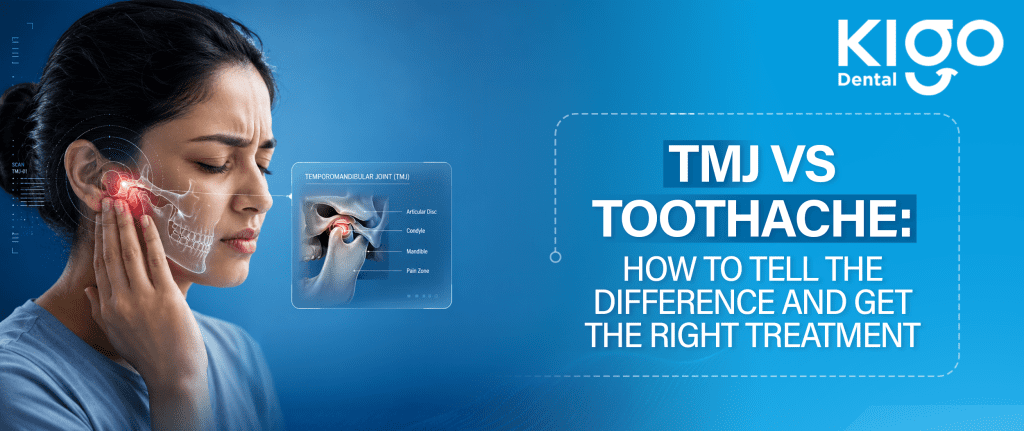
Have you ever experienced pain around your jaw or teeth and wondered whether it’s a tooth problem or something else? Many people assume every pain in the mouth is caused by a cavity or infection, but that isn’t always the case. In many situations, the discomfort may actually be due to a Temporomandibular Joint (TMJ) disorder, a condition that affects the jaw joint and surrounding muscles.
Since TMJ disorders and toothaches often produce similar symptoms, they are frequently confused. However, identifying the real cause is important because the treatment for each condition is completely different. If you’re experiencing persistent jaw or facial pain, seeking professional care for TMJ treatment in Hyderabad can help prevent long-term complications and improve your quality of life.
What Is TMJ?
The temporomandibular joint (TMJ) is the hinge connecting your lower jaw to your skull. This joint allows you to open and close your mouth, chew food, yawn, and speak comfortably.
When this joint or the surrounding muscles become inflamed, injured, or overworked, it leads to Temporomandibular Disorder (TMD), commonly referred to as TMJ disorder. Unlike a toothache, TMJ pain often affects the jaw, cheeks, temples, ears, and even the neck.
What Is a Toothache?
A toothache is pain that originates from a tooth or the surrounding gums. It is usually caused by dental conditions such as:
- Tooth decay
- Deep cavities
- Gum disease
- Cracked or fractured teeth
- Dental abscess
- Impacted wisdom teeth
- Worn enamel
- Exposed tooth roots
Unlike TMJ disorders, tooth pain usually affects one specific tooth and becomes worse while eating or drinking hot, cold, or sweet foods.
Why TMJ Pain Is Often Mistaken for a Toothache
One of the biggest reasons people confuse TMJ disorders with tooth pain is because both conditions share the same nerve pathways.
The jaw joint, facial muscles, and teeth are connected through branches of the trigeminal nerve. When the TMJ becomes inflamed, the brain may interpret that pain as coming from one or more teeth. As a result, some patients undergo unnecessary dental treatments before discovering that their teeth are actually healthy.
Understanding the source of the pain is essential for receiving the correct treatment.
Common Symptoms of TMJ Disorder
TMJ disorders usually involve more than just jaw pain. The symptoms may gradually worsen over time and can affect daily activities like eating and speaking.
Some common signs include:
- Pain around the jaw joint
- Tenderness in the facial muscles
- Clicking or popping sounds while opening or closing the mouth
- Difficulty chewing food
- Jaw stiffness
- Limited mouth opening
- Frequent headaches
- Ear pain without an ear infection
- Neck and shoulder discomfort
- Pain that becomes worse after chewing or talking
These symptoms may come and go, but persistent discomfort should never be ignored.
Common Symptoms of Toothache
Tooth pain is generally easier to identify because it is localized to one area.
Symptoms may include:
- Sharp or throbbing pain in a single tooth
- Pain while biting or chewing
- Sensitivity to hot, cold, or sweet foods
- Swollen gums
- Bad breath caused by infection
- Pus near the affected tooth
- Pain that continues throughout the day
- Facial swelling in severe infections
Prompt treatment helps prevent the infection from spreading to nearby tissues.
Common Causes of TMJ Disorders
Several factors can contribute to TMJ disorders.
Teeth Grinding
Grinding or clenching the teeth, especially during sleep, places excessive pressure on the jaw joint.
Stress
Emotional stress often leads to unconscious jaw clenching, causing muscle fatigue and inflammation.
Jaw Injury
Accidents, sports injuries, or direct trauma can damage the TMJ.
Arthritis
Joint conditions such as osteoarthritis or rheumatoid arthritis may affect the temporomandibular joint.
Bite Problems
Misaligned teeth or an uneven bite may place extra stress on the jaw during chewing.
Poor Posture
Poor neck and head posture while working on computers or mobile phones can increase muscle tension around the jaw.
Common Causes of Toothache
Toothaches generally result from dental diseases rather than joint problems.
Some common causes include:
- Tooth decay
- Gum infection
- Dental abscess
- Cracked teeth
- Worn fillings
- Impacted wisdom teeth
- Tooth fractures
- Severe gum recession
These conditions require prompt dental treatment to prevent further damage.
How Dentists Diagnose the Cause of Your Pain
A detailed dental examination helps determine whether the pain is coming from the jaw joint or a tooth.
The dentist may evaluate:
- Jaw movement and flexibility
- Tenderness in the jaw muscles
- Clicking or popping sounds
- Tooth decay
- Gum health
- Bite alignment
- Signs of teeth grinding
Digital X-rays or CBCT scans may also be recommended to evaluate the jaw joint and rule out hidden dental problems.
Treatment for TMJ Disorder
The treatment depends on the severity of the condition and its underlying cause.
Lifestyle Changes
Simple habits can significantly reduce jaw stress.
These include:
- Eating soft foods
- Avoiding chewing gum
- Limiting wide mouth opening
- Applying warm compresses
- Practicing relaxation techniques
Night Guard
A custom-made night guard protects the teeth from grinding and reduces pressure on the TMJ during sleep.
Physiotherapy
Jaw exercises improve muscle flexibility and restore normal jaw movement.
Medications
Depending on your condition, the dentist may recommend:
- Anti-inflammatory medicines
- Muscle relaxants
- Pain relief medications
Orthodontic Treatment
If bite misalignment is contributing to TMJ symptoms, orthodontic treatment may help improve jaw function.
Advanced TMJ Care
Severe cases may require joint injections, minimally invasive procedures, or surgical intervention when conservative treatments are unsuccessful.
Treatment for Toothache
The treatment depends entirely on the cause of the pain.
Your dentist may recommend:
- Dental fillings for cavities
- Root canal treatment for infected teeth
- Dental crowns for weakened teeth
- Professional gum treatment
- Tooth extraction if the tooth cannot be saved
- Antibiotics for severe infections
Early treatment prevents complications and helps preserve natural teeth whenever possible.
Preventing TMJ Disorders and Tooth Pain
Good oral habits and lifestyle changes can lower the risk of both conditions.
Some preventive measures include:
- Brush twice daily using fluoride toothpaste.
- Floss every day.
- Visit your dentist for regular dental check-ups.
- Wear a night guard if you grind your teeth.
- Avoid chewing hard foods or ice.
- Maintain proper posture while using electronic devices.
- Manage stress through relaxation techniques.
- Eat a healthy, balanced diet.
Final Thoughts
Jaw pain and tooth pain may feel similar, but they often have very different causes. While a toothache is usually related to cavities, infections, or dental damage, TMJ disorders affect the jaw joint and surrounding muscles. Receiving the correct diagnosis is the first step toward effective treatment and lasting relief.
If you’re experiencing jaw pain, clicking sounds, headaches, or unexplained tooth discomfort, consult an experienced dentist without delay. Early evaluation for TMJ treatment in Hyderabad can help identify the root cause, relieve discomfort, and restore comfortable jaw function. Whether the issue is a dental infection or a jaw joint disorder, timely care from a trusted TMJ specialist in Hyderabad ensures you receive the right treatment for a healthier, pain-free smile.
Get expert care for TMJ and tooth pain at Kigo Dental Clinic. Book your appointment at +91 9998884398.