
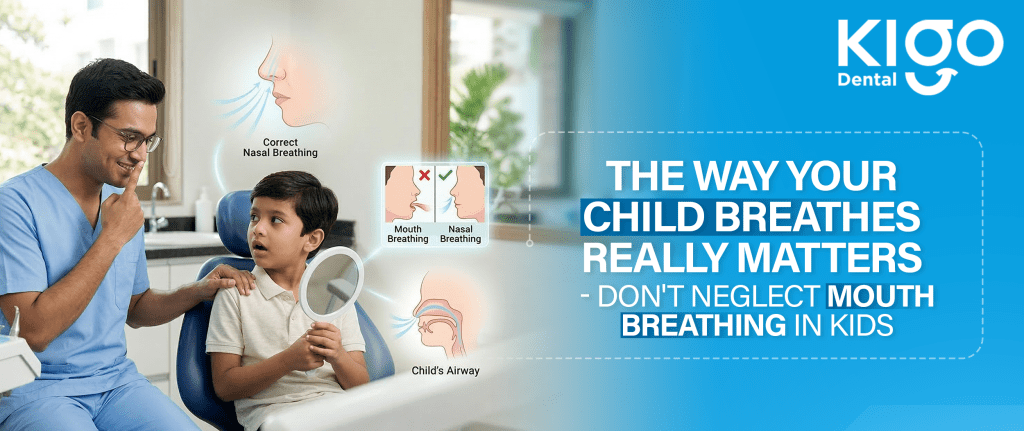
As parents, we often pay close attention to our child’s diet, sleep, and overall health—but one critical factor that is often overlooked is how they breathe. Breathing may seem like an automatic process, but the way your child breathes can significantly impact their facial development, oral health, and overall well-being.
Mouth breathing in kids is more common than you might think, and if left untreated, it can lead to long-term health complications. Understanding the causes, symptoms, and solutions can help you take timely action and protect your child’s future health.
What is Mouth Breathing?
Mouth breathing occurs when a child habitually breathes through their mouth instead of their nose. While occasional mouth breathing during a cold or allergy is normal, chronic mouth breathing is a concern.
The nose plays an essential role in filtering, warming, and humidifying the air before it reaches the lungs. When children breathe through their mouth, they bypass these important functions, which can affect both their respiratory and oral health.
Why Nasal Breathing is Important
Nasal breathing is the body’s natural and healthiest way to breathe. It helps in:
- Filtering dust, allergens, and bacteria
- Maintaining proper oxygen balance
- Supporting facial and jaw development
- Enhancing sleep quality
- Promoting better concentration and brain function
When children consistently breathe through their mouth, these benefits are lost, leading to various complications.
Causes of Mouth Breathing in Kids
There are several reasons why children develop a habit of mouth breathing:
1. Nasal Blockages
Conditions like colds, sinus infections, or a deviated nasal septum can make nasal breathing difficult.
2. Enlarged Tonsils or Adenoids
These are one of the most common causes. Enlarged tissues block the airway, forcing the child to breathe through the mouth.
3. Allergies
Chronic allergies can cause nasal congestion, making mouth breathing more frequent.
4. Habitual Behavior
Sometimes, even after the initial cause is resolved, children continue mouth breathing out of habit.
5. Structural Issues
Jaw alignment problems or narrow dental arches can also contribute to improper breathing patterns.
Signs and Symptoms of Mouth Breathing
Identifying mouth breathing early is key. Watch out for these common signs:
- Open mouth posture, especially during sleep
- Snoring or noisy breathing
- Dry lips and mouth
- Bad breath
- Frequent waking or restless sleep
- Dark circles under the eyes
- Difficulty concentrating in school
- Forward head posture
If you notice multiple symptoms, it’s important to consult a specialist.
Effects of Mouth Breathing on Your Child’s Health
Ignoring mouth breathing can lead to several long-term issues:
1. Facial Development Issues
Mouth breathing can alter the normal growth of the face. Children may develop:
- Long, narrow face
- Drooping eyes
- Small jaw
- Misaligned teeth
This is often referred to as “mouth breathing face.”
2. Dental Problems
Children who breathe through their mouth are more likely to develop:
- Crooked teeth
- Gum disease
- Tooth decay
- Bite issues (malocclusion)
3. Poor Sleep Quality
Mouth breathing disrupts sleep patterns, leading to:
- Snoring
- Sleep apnea
- Daytime fatigue
Poor sleep can affect growth, immunity, and learning ability.
4. Reduced Oxygen Intake
Nasal breathing helps regulate oxygen levels. Mouth breathing can reduce oxygen efficiency, impacting brain development and concentration.
5. Speech Issues
Improper tongue posture and oral habits can affect speech clarity and pronunciation.
How Mouth Breathing Affects Daily Life
Mouth breathing doesn’t just impact physical health—it can also affect your child’s daily life:
- Difficulty focusing in school
- Behavioral issues
- Low energy levels
- Reduced participation in activities
Many parents mistake these signs for laziness or lack of interest, when in reality, poor breathing may be the underlying cause.
Diagnosis of Mouth Breathing
Early diagnosis is crucial. A pediatric dentist
- Examine nasal passages
- Check tonsils and adenoids
- Assess jaw and facial development
- Evaluate sleep patterns
In some cases, sleep studies or imaging tests may be recommended.
Treatment Options for Mouth Breathing
The treatment depends on the underlying cause. Common approaches include:
1. Treating Nasal Obstruction
Medications or allergy management can help clear nasal passages.
2. Removal of Tonsils/Adenoids
If enlarged tissues are the issue, a minor surgical procedure may be advised.
3. Orthodontic Treatment
Dental appliances can help expand the jaw and improve airway space.
4. Myofunctional Therapy
This involves exercises that train the tongue and facial muscles to promote proper breathing.
5. Habit Correction
Behavioral techniques help children transition back to nasal breathing.
Preventing Mouth Breathing in Kids
Prevention is always better than cure. Here are some simple steps:
- Encourage your child to keep their lips closed
- Treat allergies and colds promptly
- Maintain good oral hygiene
- Ensure proper sleeping posture
- Schedule regular dental checkups
Creating awareness early can make a huge difference.
When Should You See a Specialist?
You should consult a professional if your child:
- Breathes through the mouth most of the time
- Snores regularly
- Has difficulty sleeping
- Shows signs of facial or dental changes
Early intervention can prevent long-term complications and ensure healthy growth.
Importance of Early Intervention
The earlier mouth breathing is identified and treated, the better the outcomes. During childhood, the face and jaw are still developing, making it the perfect time to correct issues.
Delaying treatment can result in more complex problems that may require extensive orthodontic or medical procedures later in life.
Role of Parents
As a parent, you play a crucial role in identifying and addressing mouth breathing. Simple observation and timely action can protect your child from years of health issues.
Make breathing awareness a part of your child’s daily routine. Encourage healthy habits and seek professional guidance when needed.
Conclusion
The way your child breathes truly matters more than you might realize. Mouth breathing in kids is not just a small habit—it can affect their facial development, dental health, sleep quality, and overall growth.
By recognizing the signs early and seeking appropriate treatment, you can ensure your child grows up healthy and confident. Don’t ignore the warning signs—taking action today can prevent serious complications tomorrow.
If you are concerned about your child’s breathing patterns, consider consulting experts offering mouth breathing treatment in Hyderabad to get the right guidance and care at the right time.
Don’t ignore mouth breathing in kids. Visit Kigo Dental Clinic. Call +91 99988 84398.