
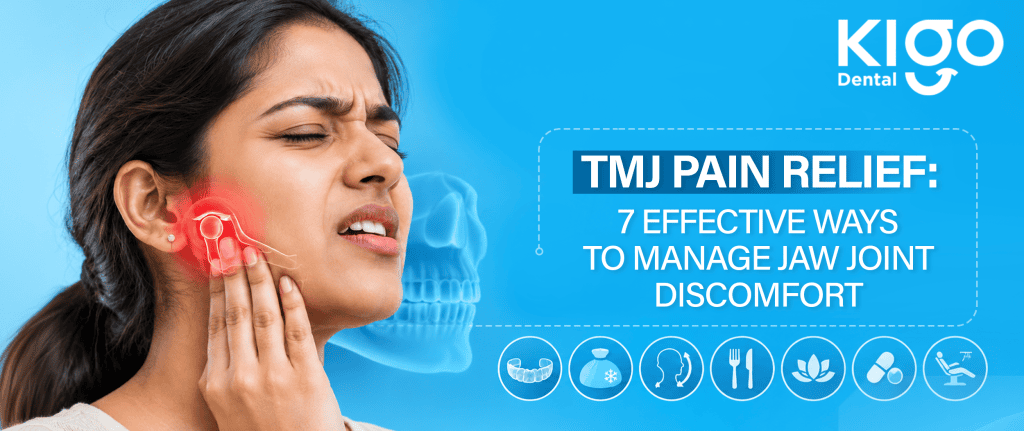
Temporomandibular joint (TMJ) pain is a common condition that affects the jaw joints and the surrounding muscles responsible for chewing, speaking, and opening and closing the mouth. People experiencing TMJ discomfort may notice jaw pain, clicking or popping sounds, headaches, facial tenderness, and difficulty moving their mouths comfortably. These symptoms can interfere with everyday activities, including eating, talking, yawning, and sleeping.
The good news is that many cases of TMJ discomfort can be managed with simple home remedies, lifestyle adjustments, and appropriate dental care. Understanding the causes of TMJ pain and adopting effective management techniques can help reduce discomfort and improve jaw function.
What Is TMJ Pain?
The temporomandibular joints are located on both sides of your face, just in front of your ears. They connect the lower jawbone to the skull and allow you to perform essential movements such as chewing, speaking, and yawning.
TMJ disorders, also called temporomandibular disorders (TMD), occur when the jaw joints, surrounding muscles, or related structures become irritated or do not function properly.
Common symptoms include:
- Pain or tenderness around the jaw joint.
- Clicking, popping, or grinding sounds when opening the mouth.
- Difficulty chewing or opening the mouth fully.
- Frequent headaches or facial pain.
- Earaches or discomfort around the ears.
- Jaw stiffness, especially in the morning.
- Pain that spreads to the neck and shoulders.
Several factors can contribute to TMJ problems, including teeth grinding, jaw clenching, stress, arthritis, jaw injuries, and excessive strain on the jaw muscles.
7 Effective Ways to Manage TMJ Pain
1. Apply Warm or Cold Compresses
One of the simplest ways to manage TMJ discomfort is by applying warm or cold compresses to the affected area.
Warm compresses help relax tight jaw muscles, improve circulation, and reduce muscle stiffness. They are particularly helpful when jaw discomfort is associated with muscle tension or clenching.
Cold compresses may help reduce pain and swelling, especially when the jaw feels inflamed or irritated.
How to use them:
- Apply a warm, damp towel to the jaw area for approximately 10–15 minutes.
- Alternatively, wrap an ice pack in a soft towel and apply it for 10–15 minutes.
- Never place ice directly against your skin.
- Choose whichever temperature provides greater relief.
You can repeat this process several times throughout the day, allowing your skin to return to its normal temperature between applications.
2. Choose Soft Foods and Avoid Hard Chewing
Your food choices can significantly influence TMJ discomfort. Eating hard, crunchy, or chewy foods requires additional effort from the jaw muscles and joints, potentially worsening existing symptoms.
During periods of discomfort, switching to softer foods can help minimize unnecessary jaw movement and reduce pressure on the temporomandibular joints.
Recommended soft foods include:
- Mashed potatoes and cooked vegetables.
- Yogurt and smoothies.
- Scrambled eggs.
- Soft rice and oatmeal.
- Soups and well-cooked pasta.
- Soft fruits such as bananas.
Try to avoid chewing gum, hard candies, nuts, tough meat, and crusty bread until your symptoms improve.
Additionally, take smaller bites and chew slowly. Avoid opening your mouth excessively wide when eating or yawning.
3. Practice Gentle Jaw Exercises
Gentle jaw exercises may help improve mobility, reduce muscle tension, and support better jaw movement. However, exercises should be performed carefully and should never cause significant pain.
Some simple movements include:
Relaxed jaw position: Keep your tongue resting gently against the roof of your mouth, just behind your upper front teeth. Allow your teeth to remain slightly apart and relax your jaw muscles.
Controlled mouth opening: Place your tongue gently against the roof of your mouth. Slowly open your mouth a comfortable distance and then close it gradually.
Gentle jaw movement: Slowly move your lower jaw slightly from side to side without forcing the movement.
Start with a few repetitions and stop if you experience increased pain, locking, or discomfort.
For persistent symptoms, consult a dentist or physical therapist trained in TMJ disorders before beginning a structured exercise routine.
4. Reduce Stress and Avoid Jaw Clenching
Stress is an important contributing factor to TMJ discomfort. When people experience anxiety or emotional tension, they may unconsciously clench their jaws or grind their teeth.
These habits place additional pressure on the jaw joints and surrounding muscles, potentially increasing pain and stiffness.
Managing stress can help reduce muscle tension and improve overall comfort.
Helpful stress-management techniques include:
- Practicing deep breathing exercises.
- Trying meditation or mindfulness.
- Maintaining a regular sleep schedule.
- Participating in gentle yoga or stretching.
- Taking short breaks during stressful activities.
You can also develop an awareness of your jaw position throughout the day. Keep your lips gently together and your teeth slightly apart when resting.
If you grind your teeth during sleep, discuss the possibility of a professionally fitted night guard with your dentist.
5. Improve Your Posture
Poor posture, particularly when sitting at a computer or looking down at a smartphone for extended periods, can contribute to tension in the neck, shoulders, and jaw muscles.
Forward-head posture may place additional strain on the muscles surrounding the jaw and neck, potentially aggravating existing TMJ symptoms.
Making small changes to your daily posture can help reduce unnecessary muscle tension.
Try these posture tips:
- Keep your head aligned with your shoulders.
- Avoid leaning forward while using your computer.
- Position your screen at eye level.
- Keep your shoulders relaxed.
- Avoid holding your phone between your shoulder and ear.
- Take regular breaks to stretch your neck and shoulders.
Maintaining a comfortable sitting and standing position supports better muscle coordination and may help reduce discomfort associated with TMJ disorders.
6. Consider Professional Dental Treatment
If home remedies and lifestyle changes do not provide sufficient relief, professional dental evaluation may be necessary.
A dentist can examine your jaw movement, check for signs of teeth grinding, evaluate your bite, and identify possible causes of your symptoms.
Depending on the underlying problem, treatment options may include:
- Custom-made night guards: These oral appliances may help protect your teeth from damage caused by nighttime grinding and clenching.
- Physical therapy: Guided exercises and appropriate manual techniques may improve jaw mobility and reduce muscle discomfort.
- Medications: Healthcare professionals may recommend appropriate pain-relieving or anti-inflammatory medications when necessary.
- Behavioral therapy: Stress-management techniques and habit modification may help reduce unconscious jaw clenching.
- Specialist care: Persistent or complex TMJ disorders may require evaluation by an oral and maxillofacial specialist.
It is important to remember that treatment should be based on the underlying cause. Permanent changes to your teeth or bite should not be undertaken solely to treat TMJ symptoms without a clear clinical indication.
7. Maintain Healthy Daily Habits
Small lifestyle changes can make a meaningful difference in managing TMJ discomfort over time.
Your everyday habits influence how much pressure and strain your jaw joints experience. Avoiding unnecessary jaw movements and maintaining healthy routines can support long-term jaw health.
Consider adopting these habits:
- Avoid chewing gum frequently.
- Stop biting your nails or chewing on pens.
- Avoid resting your chin on your hand for extended periods.
- Do not force your mouth open widely.
- Maintain proper hydration.
- Get sufficient sleep.
- Avoid sleeping in positions that place excessive pressure on your jaw.
- Follow your dentist’s recommendations for managing teeth grinding.
Consistency is important. Making these changes part of your daily routine may help prevent recurring jaw discomfort and improve your overall quality of life.
When Should You See a Dentist for TMJ Pain?
Occasional jaw clicking without pain or restricted movement does not always require treatment. However, persistent or worsening symptoms should not be ignored.
Consider consulting a dentist if you experience:
- Jaw pain that continues for several days or repeatedly returns.
- Difficulty opening or closing your mouth.
- Frequent headaches associated with jaw discomfort.
- Pain while chewing or speaking.
- Jaw locking or restricted movement.
- Facial pain that interferes with daily activities.
Seek prompt medical attention if jaw symptoms develop after a significant injury or are accompanied by concerning symptoms such as chest pain, shortness of breath, or sudden severe neurological symptoms.
Early evaluation can help identify the cause of your discomfort and determine an appropriate treatment plan
Final Thoughts
TMJ pain can make everyday activities such as eating, speaking, and yawning uncomfortable. However, adopting the right self-care strategies and seeking professional guidance when needed can help manage symptoms and improve jaw function.
Applying warm or cold compresses, eating soft foods, practicing gentle jaw exercises, reducing stress, maintaining good posture, considering appropriate dental treatment, and developing healthy daily habits are seven effective approaches to managing TMJ discomfort.
Remember that every person’s symptoms and underlying causes are different. If your jaw pain persists or affects your daily routine, consult a qualified dental professional for an accurate diagnosis and personalized treatment recommendations.
Taking proactive steps toward better jaw health can help you enjoy greater comfort and confidence in your everyday life.
Frequently Asked Questions (FAQs)
1. What is the fastest way to relieve TMJ pain?
Applying a warm or cold compress, eating soft foods, avoiding excessive jaw movements, and relaxing your jaw muscles may provide temporary relief. If the pain persists, consult a dentist for an appropriate treatment plan.
2. Can TMJ pain go away on its own?
Yes. Mild TMJ discomfort may improve with conservative measures such as resting the jaw, reducing stress, avoiding hard foods, and using warm or cold compresses. However, persistent or recurring symptoms require professional evaluation.
3. What foods should I avoid if I have TMJ pain?
Avoid foods that require excessive chewing, such as chewing gum, hard candies, nuts, tough meat, crusty bread, and crunchy snacks. Choose softer foods like yogurt, mashed potatoes, smoothies, soups, and scrambled eggs instead.
4. Does stress make TMJ pain worse?
Yes. Stress can contribute to unconscious jaw clenching and teeth grinding, increasing pressure on the jaw joints and surrounding muscles. Relaxation techniques, meditation, regular exercise, and adequate sleep may help reduce stress-related jaw tension.
5. When should I seek professional treatment for TMJ disorders?
You should consult a dentist if you experience persistent jaw pain, difficulty chewing, restricted mouth opening, frequent headaches, or jaw locking. A dental professional can identify the underlying cause and recommend suitable treatment options.
For expert care and guidance on TMJ pain relief, visit Kigo Dental Clinic and consult Dr. Kishor Govardhan. Call +91 9998884398 to book your appointment today!