
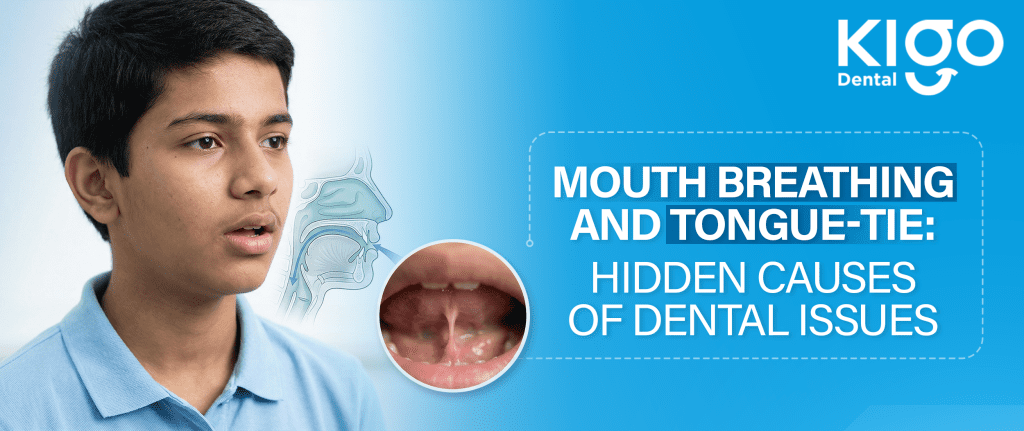
Many people focus on brushing, flossing, and regular dental visits to maintain oral health. However, some underlying conditions often go unnoticed but can significantly impact dental health—mouth breathing and tongue-tie. These two issues may seem minor, but they can lead to serious dental and facial development problems if left untreated.
What is Mouth Breathing?
Mouth breathing occurs when a person primarily breathes through their mouth instead of their nose. While occasional mouth breathing is normal (like during exercise or nasal congestion), chronic mouth breathing can lead to several oral health complications.
Causes of Mouth Breathing
- Blocked nasal passages (due to allergies or sinus infections)
- Enlarged tonsils or adenoids
- Deviated nasal septum
- Chronic habits developed during childhood
Symptoms of Mouth Breathing
- Dry mouth
- Bad breath (halitosis)
- Snoring or sleep disturbances
- Chapped lips
- Long face appearance in children
What is Tongue-Tie (Ankyloglossia)?
Tongue-tie is a condition where the thin tissue (lingual frenulum) under the tongue is too short or tight, restricting tongue movement. It can affect infants, children, and even adults. For proper care, Tongue-tie treatment in Hyderabad is available at dental clinics to improve tongue movement and function
Signs of Tongue-Tie
- Difficulty sticking out the tongue
- Speech difficulties
- Trouble swallowing
- Breastfeeding issues in infants
- Improper tongue posture
How Mouth Breathing Affects Dental Health
Mouth breathing can significantly disrupt the natural balance of the oral environment.
1. Dry Mouth and Tooth Decay
Saliva plays a vital role in protecting teeth by washing away bacteria and neutralizing acids. Mouth breathing reduces saliva production, leading to:
- Increased risk of cavities
- Higher bacterial growth
- Acid erosion of enamel
2. Gum Disease
A dry mouth creates an ideal environment for harmful bacteria, which can cause:
- Gingivitis (early-stage gum disease)
- Periodontitis (advanced gum disease)
- Bleeding gums
3. Misaligned Teeth
Chronic mouth breathing affects jaw and facial development, especially in children. It can lead to:
- Narrow upper jaw
- Crowded teeth
- Open bite or overbite
4. Facial Development Issues
Children who breathe through their mouth may develop:
- Long, narrow face
- Droopy eyes
- Poor jaw alignment
How Tongue-Tie Contributes to Dental Problems
Tongue-tie may seem unrelated to oral health, but it plays a crucial role in proper tongue positioning and function.
1. Improper Tongue Posture
A restricted tongue cannot rest properly against the roof of the mouth. This can result in:
- Narrow dental arches
- Misaligned teeth
- Improper jaw development
2. Speech and Swallowing Issues
Tongue-tie can cause:
- Difficulty pronouncing certain sounds
- Abnormal swallowing patterns (tongue thrusting)
These habits can gradually push teeth out of alignment.
3. Increased Risk of Tooth Decay
Limited tongue mobility reduces its ability to clean food debris from teeth, increasing the risk of:
- Plaque buildup
- Cavities
- Bad breath
The Connection Between Mouth Breathing and Tongue-Tie
Mouth breathing and tongue-tie are often interconnected. A restricted tongue may prevent proper nasal breathing, encouraging mouth breathing habits. Similarly, chronic mouth breathing can worsen tongue posture, creating a cycle of oral health issues.
This combination can lead to:
- Severe misalignment of teeth
- Poor facial growth
- Sleep-related breathing disorders
Impact on Children vs Adults
In Children
- Affects jaw and facial development
- Leads to crooked teeth early
- Causes speech and learning difficulties
- Impacts sleep quality
Early diagnosis is crucial in children as their facial structures are still developing.
In Adults
- Chronic bad breath
- Gum disease
- Jaw pain and discomfort
- Sleep apnea or snoring issues
Adults may not notice the root cause until symptoms worsen.
Diagnosis and Evaluation
Dentists and orthodontists can identify these issues through:
- Oral examination
- Airway assessment
- Tongue mobility tests
- Dental X-rays and scans
Early detection helps prevent long-term complications.
Treatment Options for Mouth Breathing
1. Addressing the Root Cause
- Treat allergies or sinus infections
- Removal of enlarged tonsils/adenoids (if needed)
2. Myofunctional Therapy
This therapy involves exercises to improve tongue posture and breathing habits.
Benefits include:
- Encouraging nasal breathing
- Strengthening oral muscles
- Improving sleep quality
3. Orthodontic Treatment
Braces or aligners may be required to correct:
- Misaligned teeth
- Narrow dental arches
Treatment Options for Tongue-Tie
1. Frenectomy
A simple procedure where the tight frenulum is released.
- Quick and minimally invasive
- Can be done using laser or surgical methods
- Improves tongue mobility instantly
2. Speech Therapy
Helpful for individuals with speech issues caused by tongue-tie.
3. Myofunctional Therapy
Post-treatment exercises help retrain the tongue for proper movement and positioning.
Preventive Measures
- Encourage children to breathe through their nose
- Regular dental check-ups
- Monitor speech and feeding habits in infants
- Maintain good oral hygiene
- Seek early treatment for breathing or tongue issues
When to See a Dentist?
You should consult a dentist or specialist if you notice:
- Persistent mouth breathing
- Difficulty in tongue movement
- Crooked teeth in children
- Chronic bad breath
- Snoring or sleep issues
Early intervention can save time, money, and prevent complex treatments later.
Conclusion
Mouth breathing and tongue-tie are often overlooked but can have a profound impact on oral and overall health. From causing tooth decay and gum disease to affecting facial development and speech, these conditions should not be ignored.
The good news is that both issues are treatable with early diagnosis and proper care. Whether it’s through myofunctional therapy, orthodontic treatment, or minor surgical procedures, addressing these hidden causes can significantly improve dental health and quality of life.
If you or your child are experiencing symptoms related to mouth breathing or tongue-tie, don’t wait. Consult a dental professional and take the first step toward a healthier, more confident smile.
Mouth Breathing and Tongue-Tie cause dental issues—visit Kigo Dental Clinic or call +91 99988 84398.